The Familiar Composer Trap: How to Choose a Concert Beyond Names You Know
Choose a concert beyond familiar composers by reading its themes, contrasts and performers, so you can find an unfamiliar programme that suits your listening mood.

You recognise Beethoven on a concert listing, pause over a composer you have never heard of, then close the page and book the familiar name. Choosing a concert beyond familiar composers can feel less certain, but the programme offers clues beyond its headline: instruments, performers, themes and the shape of the evening.
Think of a composer’s name as the label on a book spine: useful for finding your place, but not a substitute for knowing what is inside. A programme can tell you whether you might enjoy a soloist’s close-up exchange with an orchestra, a compact group of strings or a set of pieces linked by mood. You do not need to know the music already; you need a reason to want to hear it.
Why can a familiar name narrow your concert search?
A familiar composer offers a quick mental picture. You may associate Mozart with a school lesson or recognise a melody from a film, yet one composer’s work can span contrasting moods, forms and forces. The name alone cannot tell you whether an evening will feel intimate, restless, ceremonial or playful.
Listings often lead with a best-known work, while another piece on the bill may be the one that catches your attention. Searching only for composers you can name can hide a concert built around an instrument you love, an intriguing subject or a conversation between very different sounds.
Familiar music can be a genuine pleasure, especially when you want an easy point of entry after a long day. The useful shift is to treat recognition as one clue, not the only one.
What can you read in an unfamiliar programme?
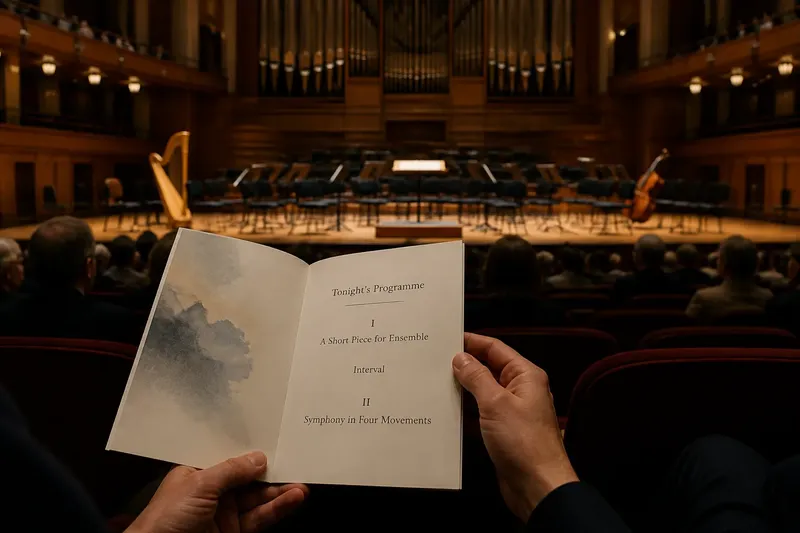
Read the programme as a description of the evening’s shape, not a test of your musical knowledge. Words such as “journey”, “dance”, “portrait” or “farewell” may suggest a shared idea, though the pieces need not tell one literal story.
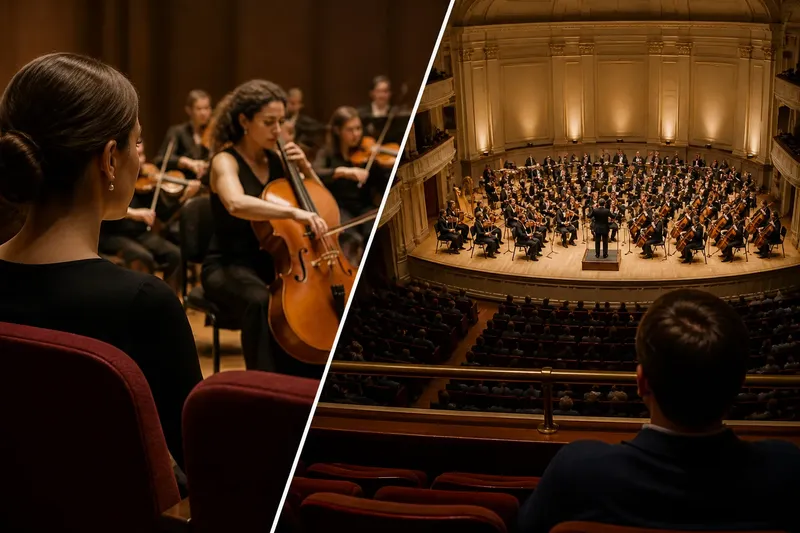
Look for changes in scale and texture. A solo instrument beside a full orchestra suggests a shift from one player’s line to a larger sound; strings, winds and keyboard bring different colours. A short contemporary piece paired with a longer work may give the evening a sharp change of pace or atmosphere.
Work labels also offer clues. A concerto puts a soloist in the foreground alongside an ensemble; chamber music centres a smaller group; a symphony gives an orchestra room to develop several musical ideas. These terms describe broad formats, not exactly how every piece will sound.
Check the performers as well as the composers. A featured soloist, vocal ensemble or unusual group of instruments may be the strongest reason to go. If the venue or orchestra offers a programme note or listening extract, use it to see whether the sound appeals rather than trying to master every detail.
Which kind of programme suits your mood?
There is no rule that unfamiliar music is automatically more rewarding. Match the evening to what you want from it now.
- You want a reassuring evening. Check whether the programme includes a work you know; if recognition would help you settle in, choose it, but if the supporting pieces hold no appeal, look for a different familiar work or an engaging performer instead.
- You are curious but cautious. Check whether a new piece sits beside something familiar or shares a clear theme with it; if that link interests you, choose the mixed programme, but if you would rather hear a steadier sound, seek an evening centred on a style you already enjoy.
- You are tired of your usual favourites. Check which instruments or rhythms feature; if a wind ensemble or dance form appeals, choose on that basis, but if neither catches your ear, browse by mood or performer rather than picking an unfamiliar name at random.
- You enjoy musical contrasts. Check whether the pieces differ in scale, pace or the role of a soloist; if those shifts sound engaging, choose the varied programme, but if you prefer continuity, look for a bill with a shared atmosphere.
- You have little time to decide. Check one concrete hook, such as the soloist, instruments or a short audio extract; if it genuinely appeals, choose the event, but if it does not, move on without researching every name.
Imagine you usually choose concerts by recognising the symphony on the poster. This week, the listing pairs a short string piece with a concerto featuring a clarinet soloist; you play the venue’s audio extract, enjoy the clarinet’s woody, reedy tone, and choose the concert for that sound. Your decision gives you a specific thread to follow in the hall, though it does not predict whether every piece will be to your taste.
How can you tell whether the contrasts will interest you?
Contrast matters when it gives you something to notice, not merely a list of differences. Ask what changes between pieces: the number of performers, the presence of a solo instrument or voice, the pace, or the emotional character. Clear shifts may keep your attention moving; a shared atmosphere may suit you better if you prefer continuity.
Consider the forces involved. In a string quartet, you might follow how one player answers another; a full orchestra can build layers of sound; a song cycle brings words and voice into the listening. These are broad descriptions, not promises about volume or mood, so consult available notes or extracts if a particular quality matters to you.
If the listing gives details about an interval or spoken introduction, consider whether either suits your preferences. An introduction may offer a little context before the music; some listeners would rather meet the pieces without explanation. Treat these as choices about format and comfort, not measures of how seriously you listen.
What should you check before booking an unfamiliar programme?
A short check can help you decide without turning the choice into homework. Use the programme page, venue listing and any available audio to weigh the details that matter to you.
- Find the programme’s central idea. Check whether the listing names a theme, instrument, form or varied selection; if the idea catches your interest, keep the event on your list, but if it leaves you cold, browse by performer or sound instead.
- Check the balance of the evening. See whether you recognise some works or expect the whole programme to be new; if that balance suits your appetite for discovery, consider booking, but if it feels like too much or too little familiarity, choose a different programme.
- Look at the performers and forces. Check whether a soloist, choir, chamber group or orchestra is featured; if that sound appeals, make it a reason to choose the event, but if it does not, look for a programme whose performers interest you more.
- Sample one piece. Play an official extract if one is available and notice whether you want to hear that sound in person; if you do, keep considering the concert, but if you do not, try a different extract or use another clue.
- Read one concise programme note. Check for a plain-language clue about mood, form or subject; if it sparks curiosity, let it support your choice, but if it feels unhelpful, skip further notes and judge the listing by its performers or sound.
- Confirm the format and practical details. Check the current venue listing for the performers, start time and any format information that affects your plans; if it fits, continue with your choice, but if it conflicts with your plans, find another date or event.
Keep the decision proportionate. If one detail sparks curiosity, that is a sound basis for choosing; if you are interested only because the composer seems prestigious, pause and look for a concert that gives you a more personal reason to listen.
What do listeners ask about choosing a concert beyond familiar composers?
Do I need to know the music before I go?
No. You can follow changes in texture, pace, volume and mood without knowing a work’s title or background. A short extract may help you decide whether the sound interests you, but preparation is optional.
Is a programme with one familiar work the safest choice?
It can be comfortable if recognition helps you settle in. It is not automatically a better fit than a programme built around a subject or sound you already enjoy, so consider what would make you keen to listen.
How can I judge a composer I have never heard of?
Start with the instruments, form, theme and available description, then sample a recording if one is offered. You are judging whether this particular concert appeals, not making a lasting decision about the composer.
What if I dislike the unfamiliar piece?
One piece does not have to win you over for the whole evening to feel worthwhile. You can listen for the contrast it creates with the rest of the programme, or simply focus on the performers and the sound in the room.
When should you choose the familiar name?
Choose a familiar composer when the work itself excites you, when you want an easy evening or when sharing a favourite piece is part of the occasion. That is a good reason, not a failure of curiosity. The limitation appears only when recognition rules out every other possibility before you have looked at the music.
For a broader search, start with what you want to hear: a vivid solo instrument, close-knit chamber playing, voices, a particular mood or pieces that pull in different directions. Use familiar composers as one clue among several. Choosing a concert beyond familiar composers works best when the listing gives you a concrete sound or idea to look forward to, even if the music itself remains a surprise.